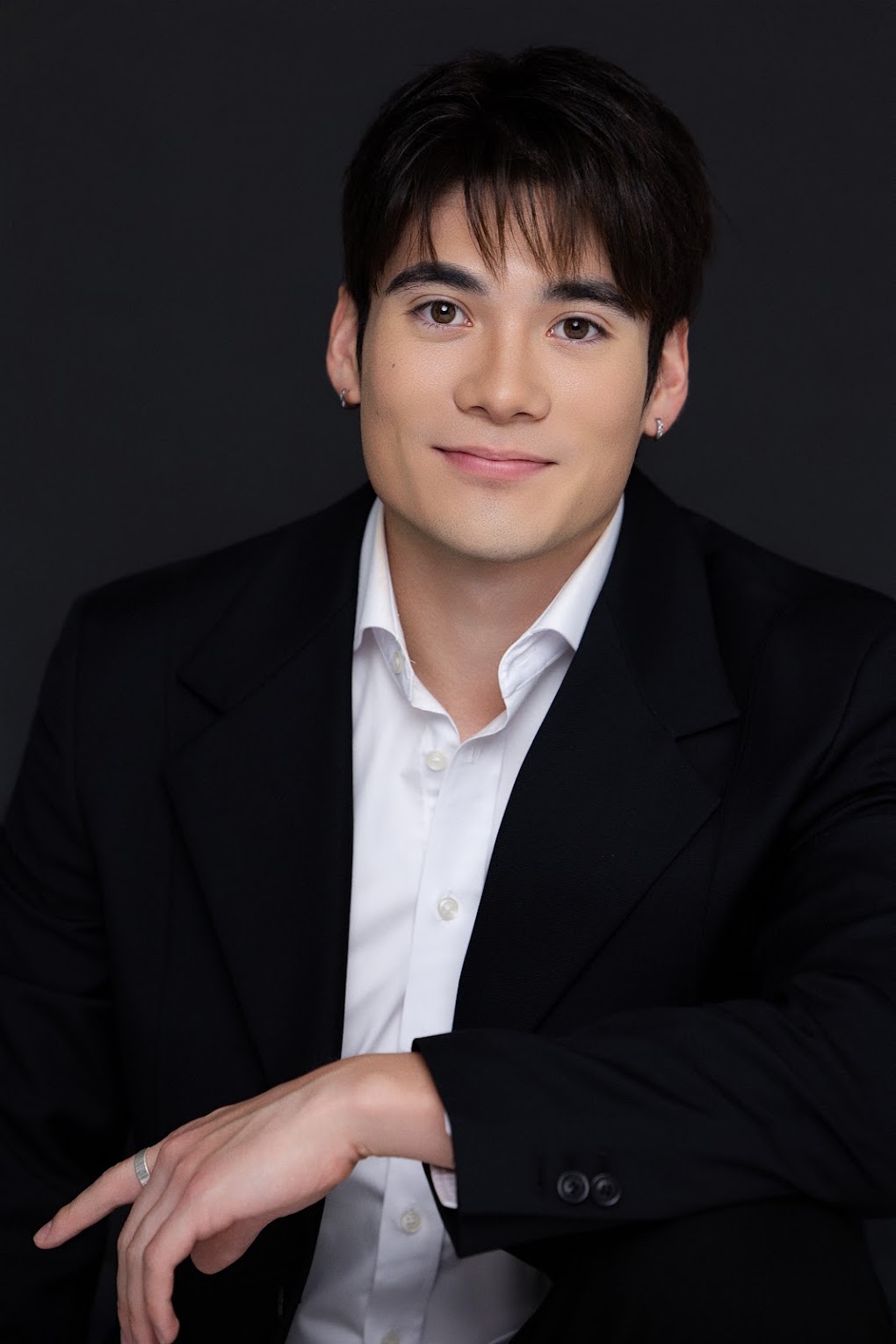
Ethan Bell

Software Engineer

Ethan Bell.

Master’s student in Biomedical Data Science at Stanford University.

Currently contributing to OpenTSLM, exploring how language models can understand and reason over physiological time-series data.

I’m interested in building technology at the intersection of artificial intelligence, medicine, and human-centered design. Outside of work, I enjoy surfing, basketball, cooking, and traveling.

A little more about me
  • CrossFit competitor
  • Trained practitioner of Urasenke Japanese tea ceremony
  • Cellist and former member of a traditional Chinese orchestra
  • Co-founder of Stanford Sado
See my work
Ethan Bell

Projects

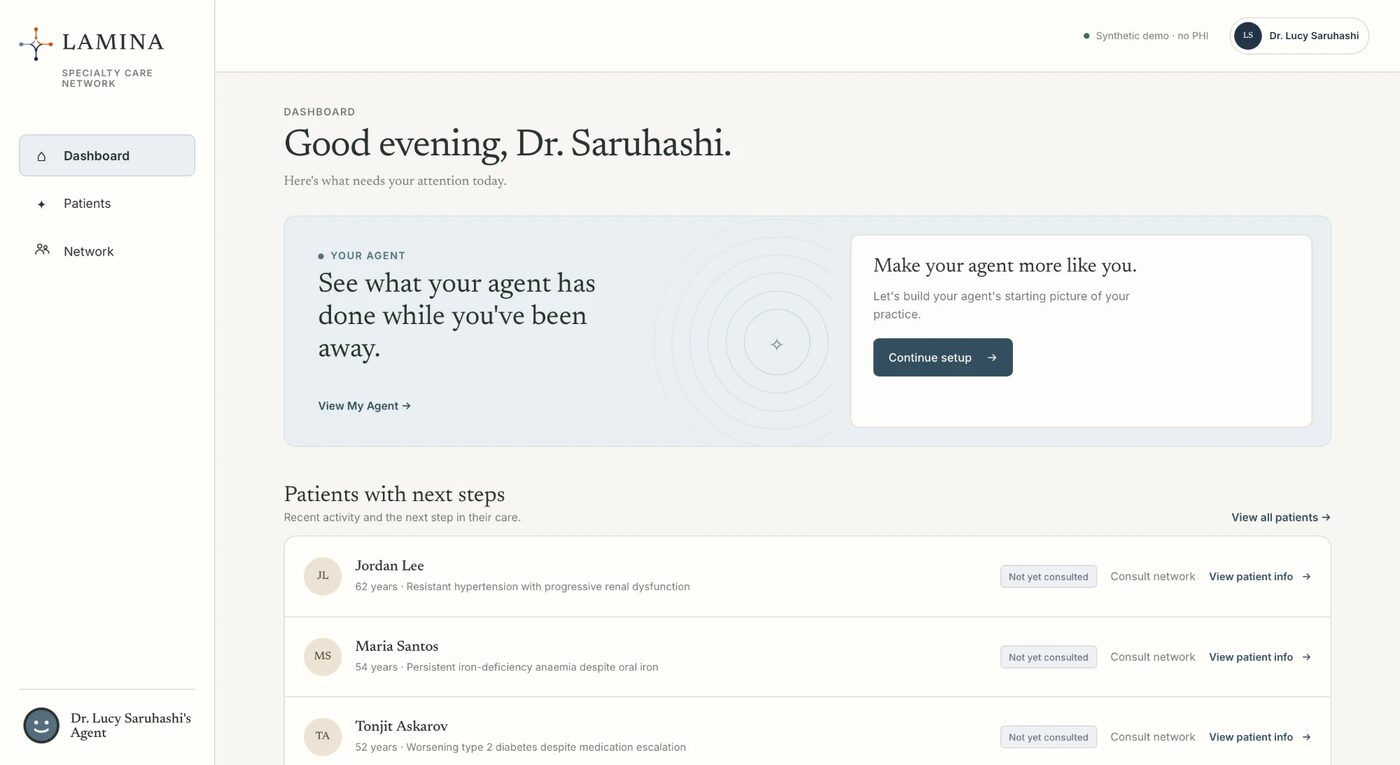
Lamina physician dashboard

1st place · YC × Medplum Hackathon

Lamina

A physician-agent network for specialty care, where personalized AI agents represent physicians and help coordinate consultations, expertise discovery, and referrals.

What I did
  • Started as a “LinkedIn for physician AI agents” at the YC × Medplum Hackathon
  • Built a searchable directory of U.S. physicians from public CMS NPPES data, with a reserved agent identity for each
  • Uses Medplum (FHIR) for clinical context; demos run on synthetic patients only
Live demo GitHub Hackathon version
Fiyu website

Machine Learning

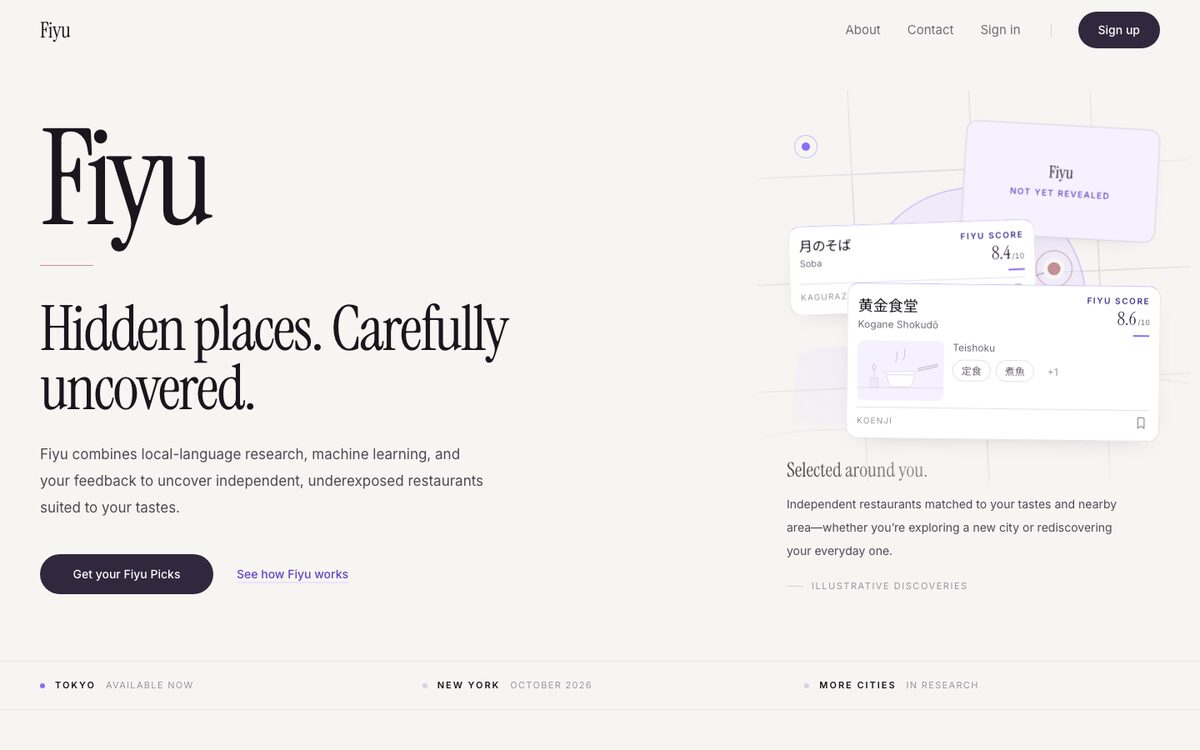
Fiyu

A restaurant discovery app for finding locally loved places in Tokyo, combining a custom restaurant-vetting system with personalized daily picks and taste profiles.

Website GitHub
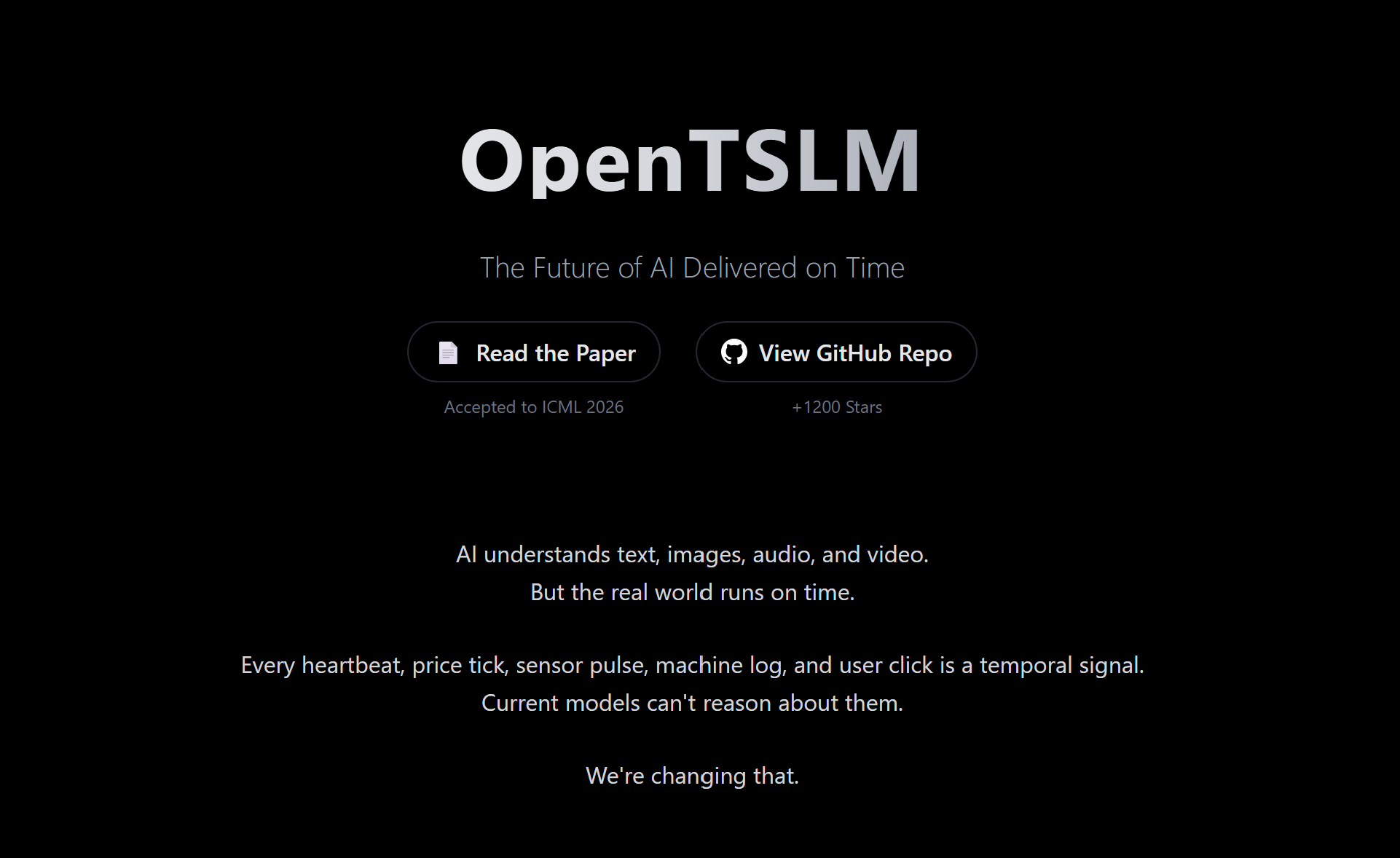
OpenTSLM website homepage

Research · Contributor

OpenTSLM CGM

An exploration of how time-series language models can interpret continuous glucose monitoring data, extending OpenTSLM to reason over physiological measurements.

OpenTSLM OpenTSLM GitHub My CGM work
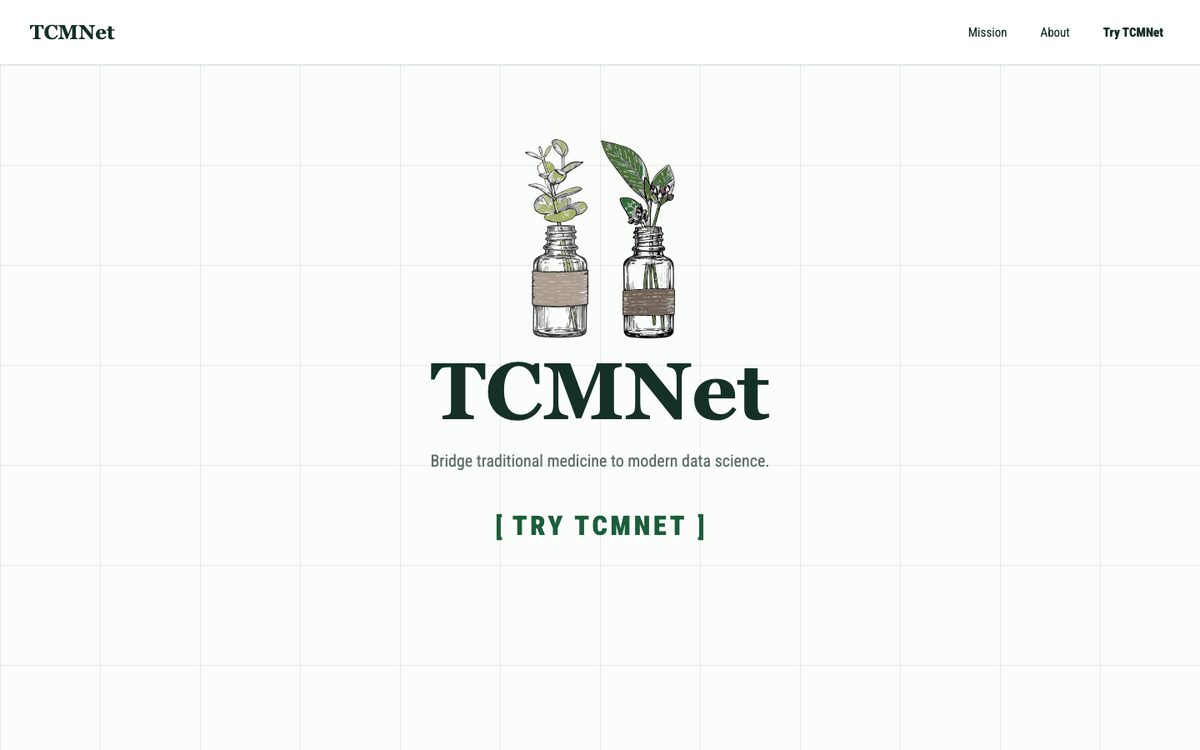
TCMNet website

Machine Learning

TCMNet

A neural-network-based system exploring computational representations of traditional Chinese medicine, mapping symptoms to interpretable syndrome patterns and potential herbal treatments.

What I did
  • Multi-task model mapping 1,869 symptoms to 14 medical concepts, 228 syndromes and 596 ranked herbs
  • 86.9% syndrome accuracy (98.2% top-5), compared with 58.1% for a Tree-Augmented Naive Bayes baseline, on synthetic cases built from the SymMap knowledge graph
Live demo Repository (liannecha)
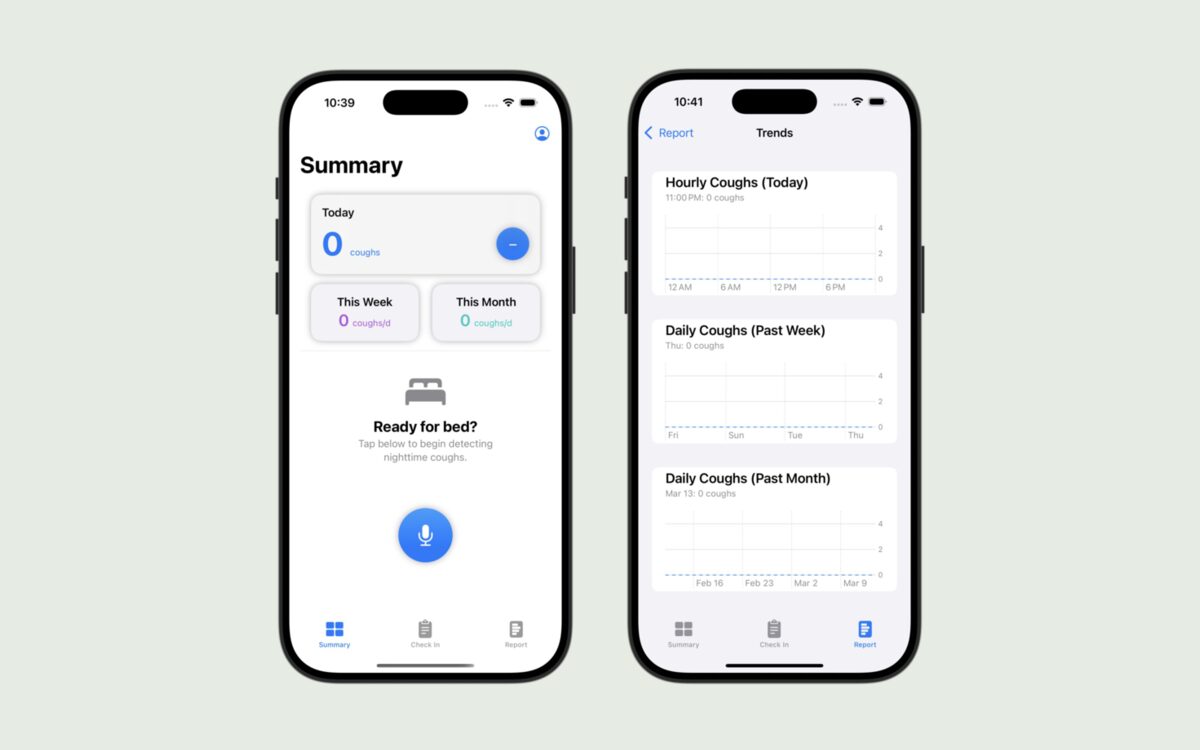
CoughSync summary and trends screens

Digital Health · iOS

CoughSync

An iOS application that uses machine learning to detect and track cough frequency, helping patients and clinicians better understand respiratory symptoms over time.

What I did
  • Built background audio recording in Swift that keeps collecting while the phone charges with the screen off
  • Helped train the cough-detection model
  • Built the notifications that remind users to start recording
GitHub
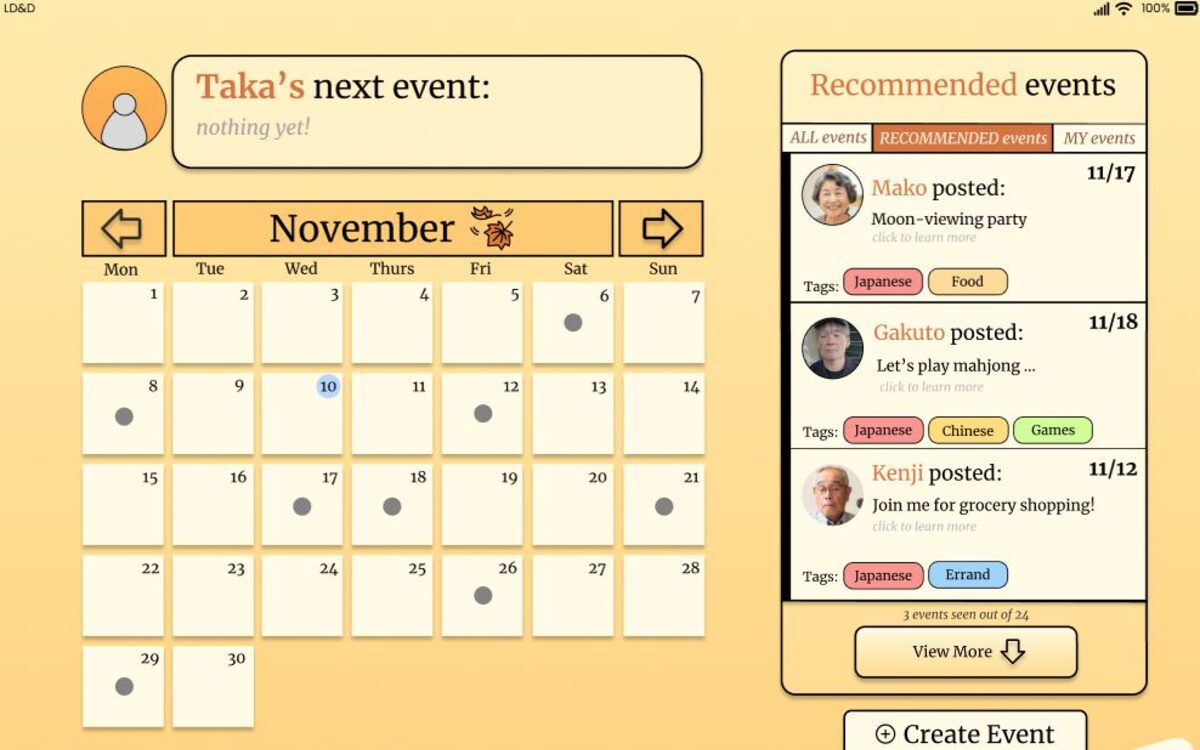
Lucky Day calendar and recommended events screens

Human-Computer Interaction

Lucky Day

An event planner that supports the mental health of older adults, especially in immigrant communities, by helping them find, join and create events around shared interests.

What I did
  • Did the early research and needfinding, and helped shape the concept
  • Designed the task flow and the low- and mid-fidelity prototypes in Figma
  • Edited the product pitch video
Final app video

Experience

OpenTSLM

Research Contributor

Jul 2026 – Present

Contributing to OpenTSLM’s research on time-series language models, with a focus on adapting and evaluating models for continuous glucose monitoring data.

Fastino Labs

AI Training Data Contractor

Oct 2025 – Dec 2025

Supported AI model development through multilingual data preparation, translation, and dataset formatting, with an emphasis on consistency and training-data quality.

Rem and Company

Team Lead

Sep 2023 – Nov 2024

Led consulting work providing strategic and financial guidance to small businesses in California.

Stanford University School of Medicine

Patient Health Navigator

Jan 2022 – Oct 2024

Volunteered at a free clinic serving uninsured patients in Redwood City, helping patients navigate access to primary care, insurance, medication, laboratory testing, and other medical resources.

Tata Consultancy Services

AI Engineer Intern

Tokyo, Japan

Kampo prescription model

Built a machine learning model that suggests Kampo (traditional Japanese medicine) alternatives to conventional medicine.

  • Led the project end to end: collected and prepared the data, then built and tuned XGBoost and deep-learning classifiers
  • Reached 99.7% accuracy identifying diseases from observed and patient-reported symptoms
LinkedIn post

ESO Fund

Software Engineer Intern

San Mateo, CA

Grant equity calculator

Automated how grant data is pulled from client documents for ESO Fund’s grant equity calculator.

  • Led the project and fine-tuned a model to extract key grant details from client documents
  • Built a linear regression model that predicts grant amounts from client and company variables
  • Wrote the pipeline end to end: finding new grant files, preparing documents, training and validation, and syncing results to a master spreadsheet through APIs

Education

Stanford University

M.S. in Biomedical Data Science

In progress

B.S., Individually Designed Major in Engineering

Focused on Computer Science and Digital Health

Graduated June 2025

Research

2023

Antimicrobial Stewardship & Healthcare Epidemiology

Conference abstract

Undergraduate Research Assistant

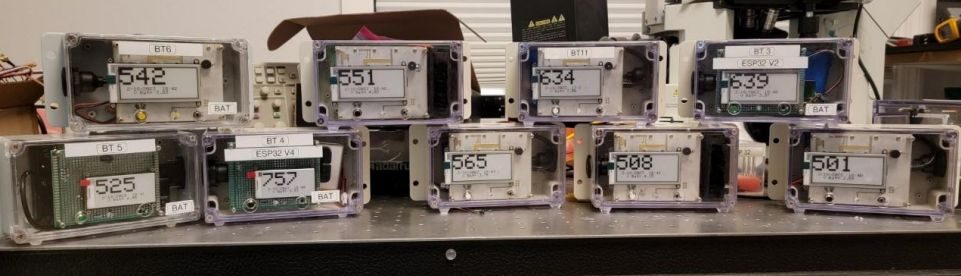
Low-cost CO₂ sensors built for the study

Assessment of ventilation in low-resource healthcare settings: Montserrado County, Liberia—2022–2023

Assessed ventilation in Liberian healthcare facilities to find high-risk spaces needing intervention, and developed a low-cost continuous CO₂ sensor.

  • Analysed ventilation data and identified natural-ventilation strategies
  • Helped build the CO₂ sensor, including its protective case and internal Python code
Read the abstract

Awards

1st place, YC × Medplum Hackathon

Lamina

Won with Lamina, a network of AI agents that represent physicians.

Biodesign NEXT Funding — GreenScreen

Stanford Byers Center for Biodesign · March 2024

Awarded funding through the Stanford Byers Center for Biodesign to develop GreenScreen, an AI-powered visa-navigation tool.

Biodesign NEXT Funding — HomeCare Nav

Stanford Byers Center for Biodesign · December 2023

Received funding through the Stanford Byers Center for Biodesign for HomeCare Nav, a physician-assistance tool designed to help assess eligibility for Hospital at Home programs.

Contact